
Understanding Tile Shade Variation
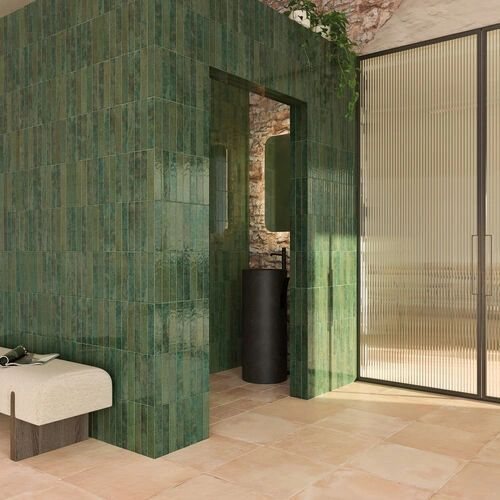
Have you ever shopped for tile for your home or business and wondered why, after installation, it didn’t look the way you had pictured? Welcome to learning about the importance of understanding tile shade variation.
As important as it is to shop for a tile that looks great in your space, it’s also important to shop for the correct “V rating.”
Why the variation in your tile matters more than you might think
When selecting tile for your home, there’s more to consider than just color, size, and finish. One important detail that often gets overlooked is shade variation. Have you ever fallen in love with a tile sample, only to discover that the installed floor looks different from what you expected? This can happen because tiles are manufactured with varying degrees of color, tone, and pattern differences. In the tile industry, these differences are commonly categorized using a V1 through V4 shade variation rating. Understanding these ratings can help you make a more informed decision and ensure your finished space reflects the look you envisioned.
What Are Tile Shade Variation Ratings?
Shade variation refers to how much the color, pattern, and overall appearance differ from one tile to another within the same collection. Some tiles are designed to look nearly identical, while others intentionally replicate the natural movement and variation found in materials such as marble, limestone, travertine, and slate. Here’s what each rating means.
V1 — Uniform Appearance
Minimal to no noticeable variation between tiles.
V1 tiles have a very consistent appearance, with little difference in color or pattern from one piece to the next. These tiles are ideal when you’re looking for a clean, uniform, and predictable finish.
Best for: Contemporary interiors, minimalist designs, and spaces where a consistent appearance is desired.
V2 — Slight Variation
Subtle differences in color, tone, or texture.
V2 tiles offer a little more character while maintaining a relatively consistent overall appearance. You may notice slight variations between individual tiles, but the differences are generally soft and understated. This is a great option when you want a natural-looking surface without dramatic color changes.
Best for: Transitional interiors, soft stone-inspired flooring, and designs where subtle movement adds warmth and interest.
V3 — Moderate Variation
Noticeable differences in color, pattern, and texture.
With V3 tiles, you can expect more visible variation from one piece to another. Some tiles may appear lighter or darker, while others may feature more pronounced veining, texture, or movement. These differences are intentional and contribute to a more organic, natural appearance.
Best for: Natural stone-inspired designs, traditional interiors, rustic spaces, and rooms where texture and character are important.
V4 — Substantial Variation
Significant differences in color, pattern, and appearance between tiles.
V4 tiles offer the greatest level of variation. Individual pieces can look dramatically different from one another, sometimes featuring contrasting tones, strong veining, or unique patterns. This variation is often what makes the finished installation visually interesting and distinctive. However, it’s especially important to review multiple pieces before installation so you understand the full range of colors and patterns.
Best for: Statement floors, natural stone looks, rustic designs, and spaces where dramatic variation is part of the design vision.
Why a Single Tile Sample Isn’t Enough
One of the most common mistakes when selecting tile is making a decision based on a single sample. A small sample may not accurately represent the full range of variation within a collection, especially when working with V3 or V4 tiles. Even tiles classified as V2 can show subtle differences that become more apparent across an entire floor. At Cowart Interiors, we recommend viewing multiple tiles together whenever possible or seeing if the manufacturer has installation photos. A showroom display featuring several pieces can provide a much better understanding of how the tile will look once installed.
Our Designer Tip: Blend Your Tile Before Installation
Regardless of the variation rating, we recommend that your installer open multiple boxes and blend tiles from different cartons during installation. This helps distribute color and pattern variations throughout the space rather than concentrating similar pieces in one area. For tiles with greater variation, it’s also beneficial to dry-lay a portion of the floor before installation to review the overall balance. Remember, natural variation is often part of what makes a tile beautiful!
Choosing the Right Tile for Your Home
There isn’t necessarily a better or worse shade variation rating. The right choice depends on your personal style and the overall design you’re trying to achieve. If you prefer a clean, consistent appearance, V1 or V2 may be the ideal choice. If you love natural movement, texture, and individuality, V3 or V4 may be more appealing.
The most important thing is knowing what to expect before your tile is installed.
At Cowart Interiors, we believe thoughtful material selection is an essential part of creating a beautiful, cohesive home. Understanding details like tile shade variation helps ensure the finished result is not only beautiful but also aligns with your expectations.
Planning a project of your own?
We help clients across Central Florida make confident decisions about materials, layouts and furnishings. Tell us about your home and Cher will be in touch.